
Hypnotherapy in the Age of AI
Hypnotherapists work as one human being, fully present with another. That work will matter even more as AI grows.
By Farhan Zahid, CCHt4 min read
AI-01 · Farhan’s final text (October 12)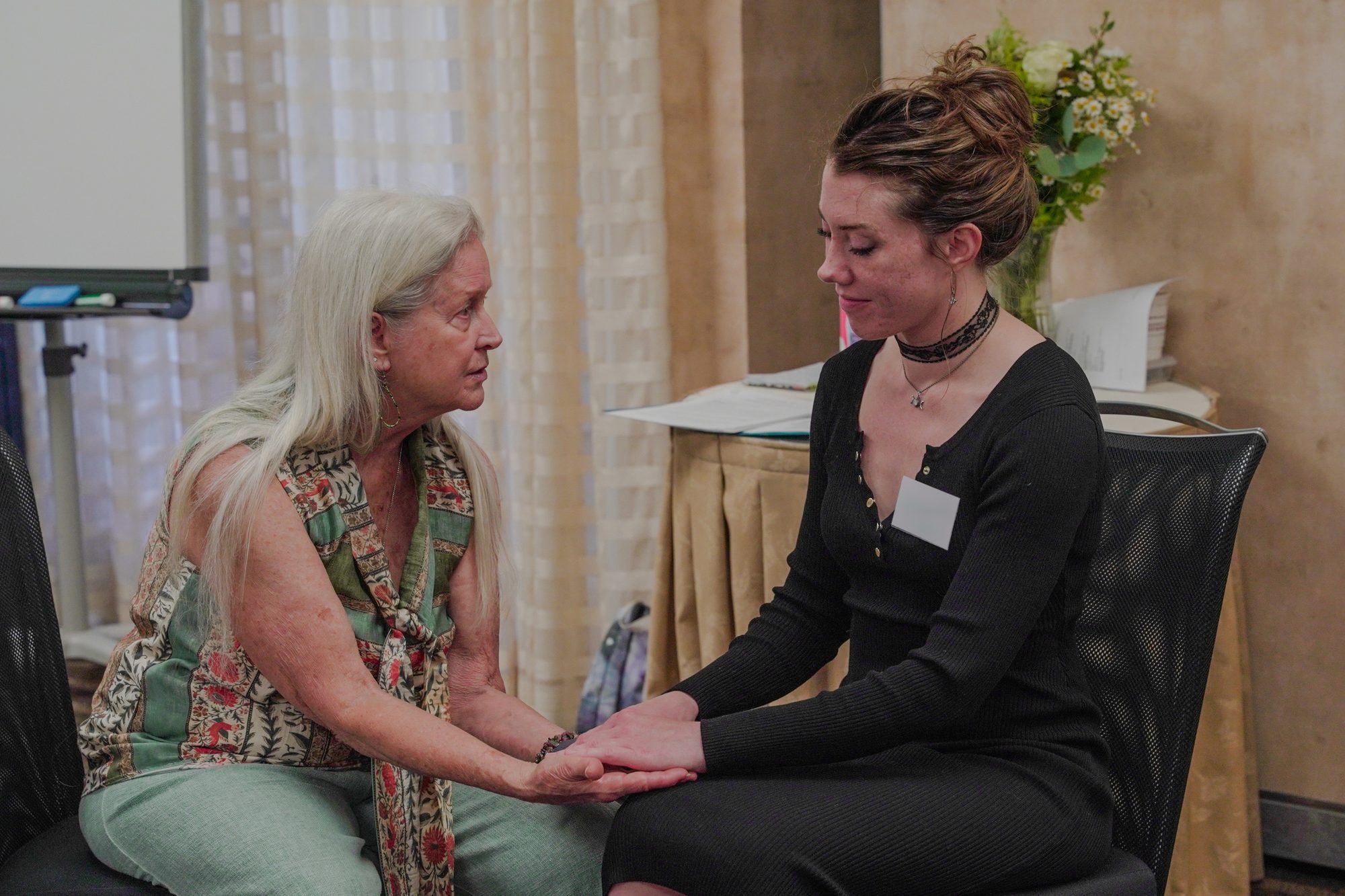 AI-01 · DSC02538 (name tag softened)
As AI grows more capable, the art of being human becomes more valuable.
AI has democratized knowledge, and it handles logical, structured work with real brilliance: drafting, summarizing, planning, turning a tangle of thoughts into order. Its impact on how we live and work is only beginning, and people will lean on it more and more, for their productivity, for processing their thoughts and for much else.
But there is a kind of work it can’t do. And in a world shaped by AI, that work matters more than ever.
Complicated is not the same as complex
Psychiatrist Iain McGilchrist offers a way to understand this distinction. In The Master and His Emissary, he describes contrasting ways of attending to the world.
- The left hemisphere: Taking things apart to examine and use them.
- The right hemisphere: Looking at the gestalt. Attending to the relationships, context and meaning that make them a living whole.
The comedian Jimmy Carr explains the difference better than most. He shares that a complicated problem has many parts and rules. Landing people on the moon was complicated: millions of calculations, every one of them knowable. Give a complicated problem enough data and computing power, and it can be solved. This is where AI shines.
A complex problem is different. Its parts change as you touch them. Take love, for example. Love is complex. So are grief, fear and confidence. Reach toward one and it shifts, and the shift ripples through everything around it. No two people live them the same way, and no formula holds them still long enough to solve them. Hypnotherapy calls for this attention to the whole person, and the ability to respond as their experience unfolds.
What happens between two people
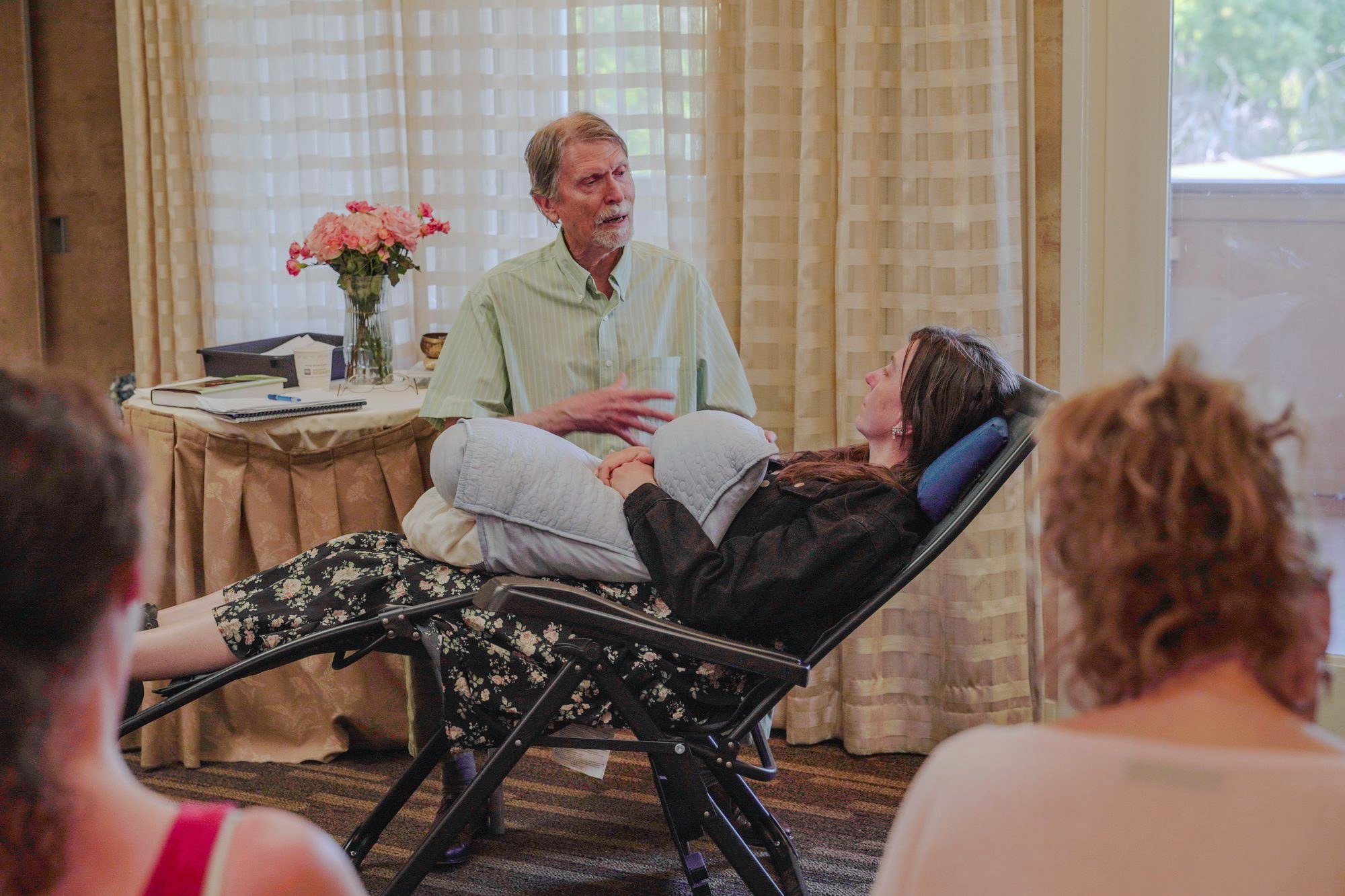
Sit with someone in a hypnotherapy session and you feel it before you can name it: the energy in the room shifting. Breathing slows, then catches. A pause lasts a moment longer than it should. A voice softens, or breaks, as a memory returns. A finger lifts, slowly, to answer a question the conscious mind hasn’t yet put into words.
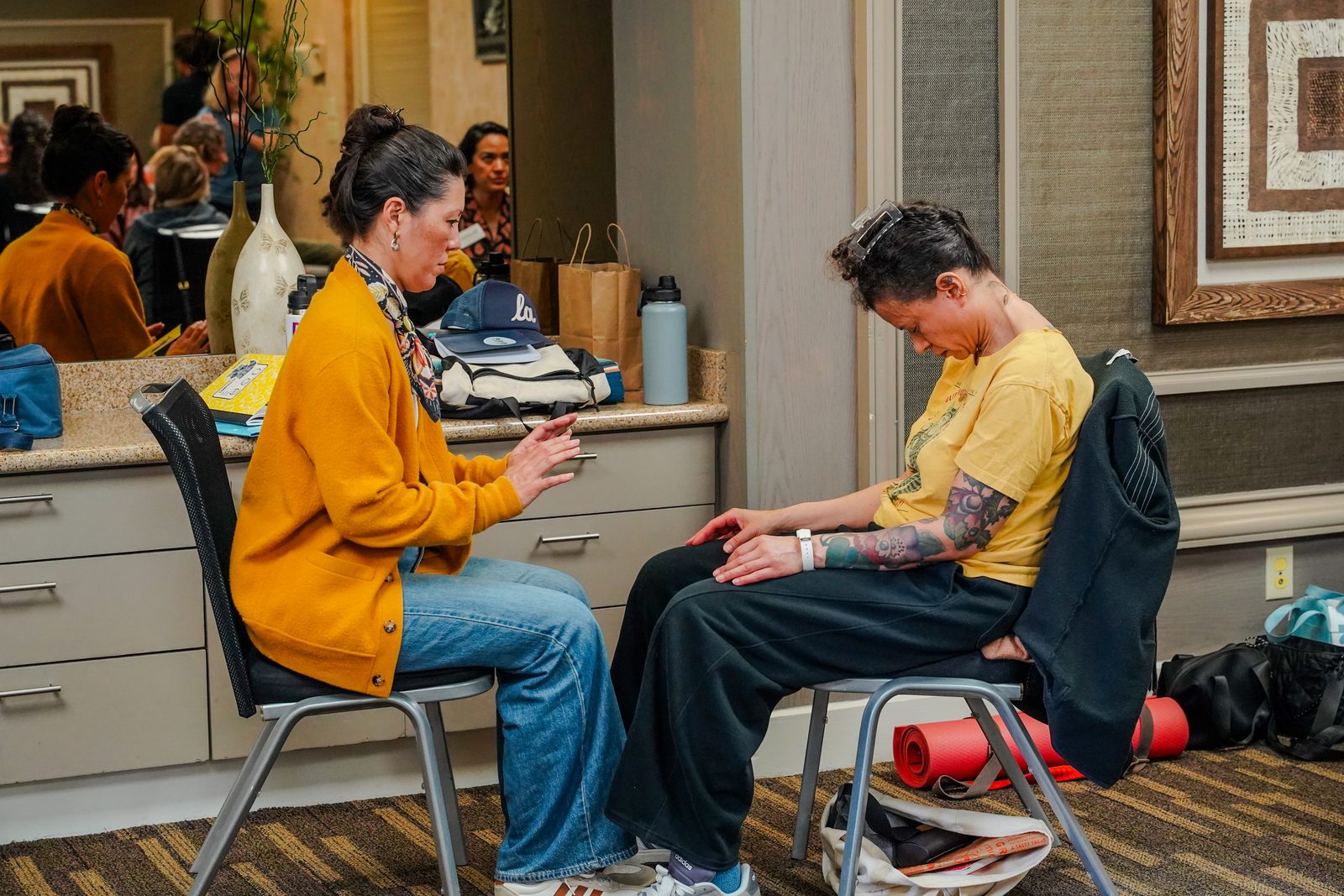
Beneath all of that lies so much more. The ache, and the longing. The grief for what life was, and for how it has changed. The guilt over words that were spoken… or not spoken. A skilled hypnotherapist meets a person there, with presence and care, often without saying a word.
That is the heart of hypnotherapy. It reaches the subconscious: the realm of imagination, memory, emotion and the meaning we make of our lives. And it happens between two people.
A transcript may preserve every word and still miss the heart of the encounter: what the person has felt, and what it meant for this person to be heard now, by you, in this moment.
A partner, not a replacement
We encourage using AI as a brainstorming partner. But an idea that reads beautifully may be wrong for the person in front of you. They may need a different question, a longer silence or the freedom to go somewhere you hadn’t anticipated. Your training helps you recognize those moments and meet the person where they are.
Our curriculum explores AI’s opportunities and limits, and our business sessions offer practical ways to use it ethically and effectively.
How we prepare hypnotherapists for it
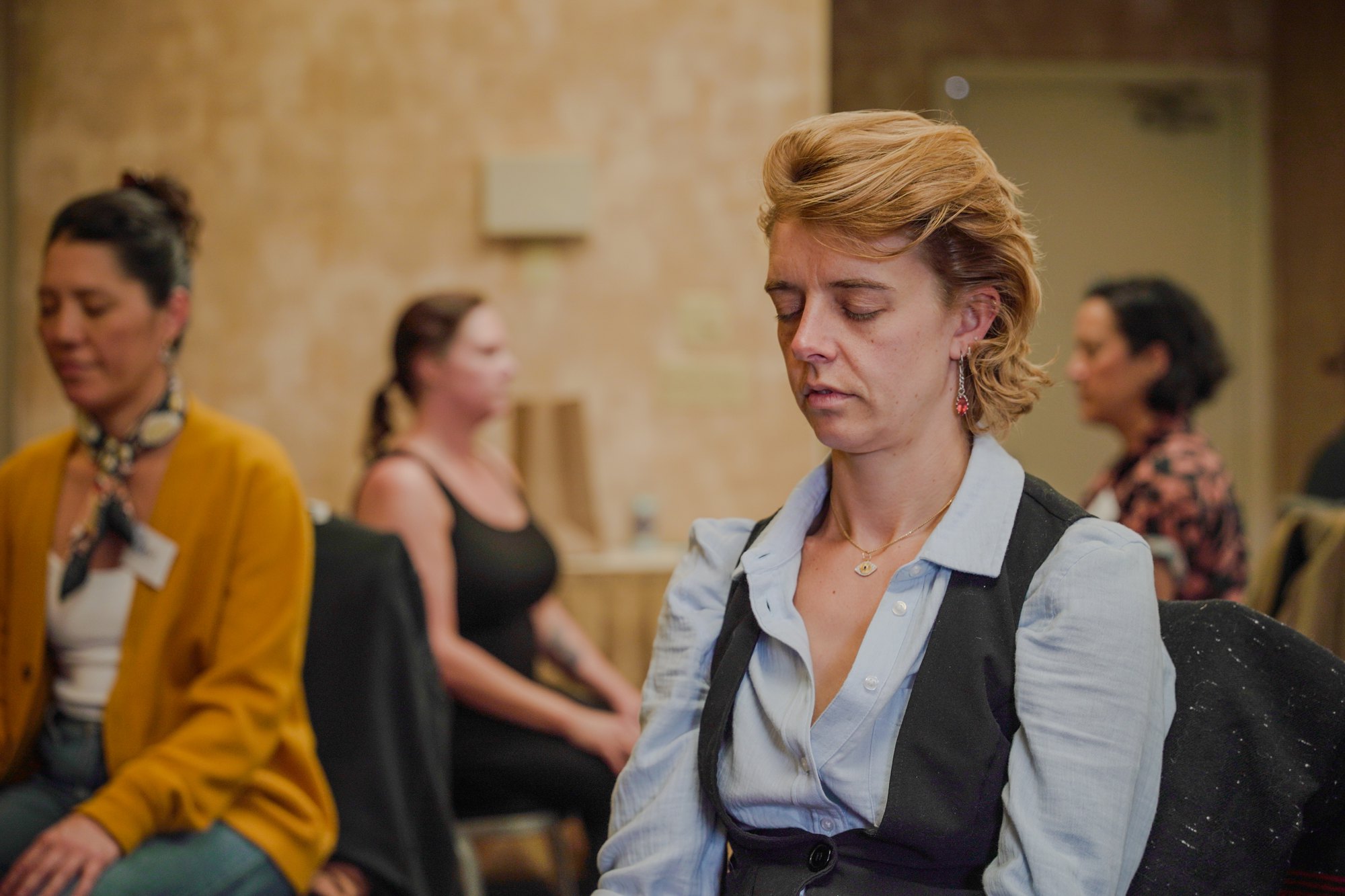
At the Hypnotherapy Training Institute (HTI), we teach hypnotherapy in person because human skills are learned in the room, with other human beings. You watch each method demonstrated, experience it yourself and practice it under an instructor’s supervision. You learn to notice, to respond and to trust the relationship you are building. We also train you to carry those skills into online sessions.
What you learn here can reach far beyond your practice. Someone who finds greater peace within themselves may bring more patience to their children, more openness to a relationship or more kindness to the way they speak to themselves. One person’s growth can become part of another person’s life.
AI can help us find words for grief. It can suggest a metaphor, shape a script, offer a hundred ways to begin. But it cannot bring a human life to the encounter: the people we have loved, the losses we have carried, the courage it has taken to begin again.
A hypnotherapist brings that lived humanity into the room, together with the skill to meet another person in theirs.
There is an art to being human. And there is a place to practice that art here.