
Self-Reflection, Hypnosis and Gestalt
Guilt, worry and letting go of the past, and how Gestalt work in hypnosis helps clients do it.
By Cheryl Canfield, CCHtFirst published 5 min read
AR10 · ported word for word from the Squarespace export; kept as archived and unedited (Farhan, October 8)
Tools for Healing and Releasing the Past
The present is the only time we ever really have, and if we don’t live in the present, we don’t even scratch the surface of our potential. Two common negative feelings that keep us out of the present are guilt and worry. Guilt keeps us stuck in the past losing energy over something that already happened, and worry is a non-productive mulling over of some negative possibility in the future that may never happen. When we’re working with a client who tends to get stuck in either of those states we can help that person switch their focus to self-reflection, hypnosis and possibly Gestalt to either heal the past or impact the future in a positive way.
Paying attention to how energy is directed can be a major clue in the process of healing. Certain emotions like blame, guilt, anger or fear, for instance, that get played over and over, can literally drain the life force and leave little or nothing left over for the immune system. Unlike the burst of fear or adrenaline that temporarily fires us up to respond quickly in an emergency situation and is easily replenished, the ongoing burdens of guilt and blame over “what was” or fear of “what might be” is draining. Holding onto negative feelings is simply an exhausting expenditure of energy that can lead to emotional and physical bankruptcy.
We can guide our clients toward self-awareness by bringing focus to habit patterns, which begin with thought. Are clients generally positive in their thinking? Do they think of their cup as half full or half empty? If we or our clients view our attitude as being on the positive side, does it hold up under examination? I was having a conversation with a friend once in which I was adamant about the only course of action open to me in a particular situation. “You’re pretty rigid in your thinking about this,” he said to me. His comment momentarily stunned me, as I prided myself on being flexible and open in my thinking. It gave me pause for thought. Not at that moment, but in reflection later, I realized he was right. I had fallen into black and white thinking in this particular instance. We cannot change our patterns unless and until we come aware of them. Establishing a habit of self reflection - in or out of hypnosis - is an excellent way to expand awareness and work on positive change.
Unconscious or submerged issues can also drain vitality. It takes a lot of psychic energy to keep old traumas from conscious awareness and expenditures of this kind are equally exhausting and depleting. Although they may be difficult to get in touch with, possible clues that a person might be carrying around unconscious issues might be ongoing mild depression or a sense of being blocked or self-sabotage that keeps an individual from meeting certain goals. Hypnosis can help to bring the issues that a person is ready to deal with to the surface.
One man who came to see me, Bill, had prostrate cancer that had metastasized to his bones. He had been struggling with this condition for five years, employing both conventional and alternative methods of treatment.
When I first saw him he had decided that the time had come to focus on the spiritual side of his life. I told him that it takes courage to really know oneself honestly and hard work to make whatever changes might be necessary to find peace and balance. He was eager to begin and took copious notes as we spoke.
Our next few meetings were interspersed with trips to various treatment clinics where he was doing everything possible to get his cancer under control. His attitude was optimistic most of the time and he was learning to use self-hypnosis and relaxation to pull himself out of occasional depressions. But I sensed that he wasn’t really getting in touch with his emotions. He brushed any difficulties in his personal relationships gently off and seemed disconnected to his wife and young children.
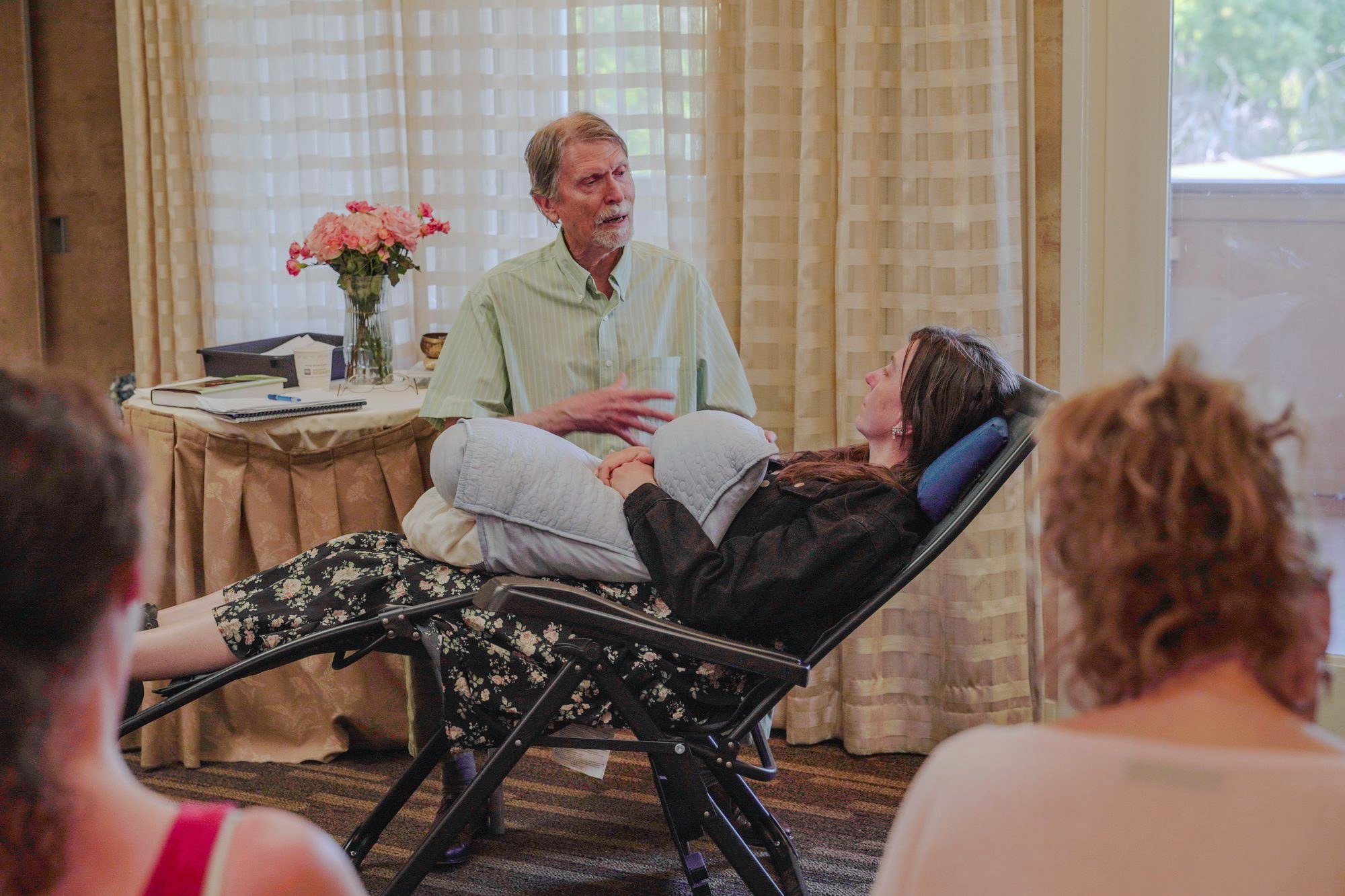
In time he brought up the fact that he had never dealt with or grieved the death of his parents. They had been dead now for ten years. The pain was obvious in his face as he recounted in hypnosis the particularly painful death of his mother only months after his father was killed in an accident. His emotions spilled out in cathartic release as he told the story. As I guided him into a dialogue between his mother and himself it came out that he felt a tremendous amount of responsibility toward her, and guilt that he had somehow failed her. As his mother he expressed disappointments about some of his choices in life.
Periodically during the dialogue I asked him to imagine switching to the objective perspective of his higher self and talk about any misconceptions Bill had developed about the demands and responsibilities that he had heaped on himself. In continuing dialogue between himself and his mother they began to come to the understanding that as a young man he had needed to make his own choices and to do what was right for him. As the dialogue came to a conclusion she gave him her blessings and acceptance.
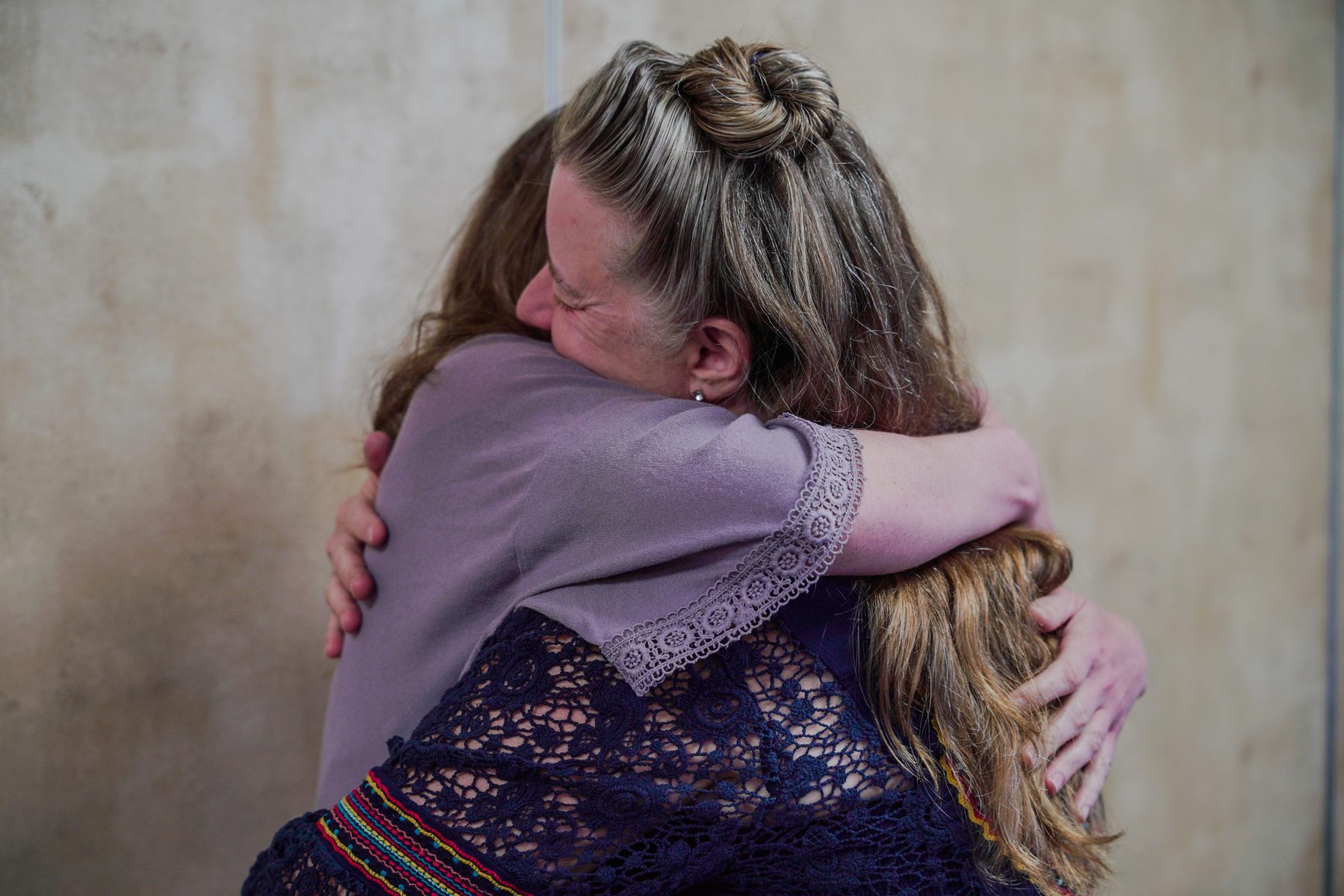
I asked him if there was anything else he would like to say to his mother. “Mom, I can’t come and be with you now. I have to stay here and take care of my family,” to which she replied, “Yes, son, you need to be there for them just as I was there for you. I love you and I will always love you and I’m here for you whenever you need me.” For the first time since her death, he said he felt free of the guilt that had been pulling him out of the present and draining his life energy.
This awareness of the life force as energy transcends the temporary cessation of symptoms that is sometimes taken for healing. If we don’t change the pattern of negative expenditures of energy we’ll continue to come up with a deficit that re-manifests in the same symptoms or new ones. To really heal we need to open up to the transforming power of compassion and forgiveness, both toward ourselves and others, which connects us to that universal source. Then we are free and at peace to make a transition out of this life or to return to our lives with renewed vitality and direction.
Whenever someone harbors feelings like resentment, guilt, vengeance, shame or blame, they are tying themselves to the past. We can learn from our experiences, no matter how painful they have been, and if we want to be free, we need to let go and move on. As long as we continue to pass judgments upon ourselves or others we remain enslaved.
As we heal and release the past we lose the charge we have had to these events. They lose their power over us (including our need to keep them hidden) and we can better learn the lessons inherent in them. When we have a healthy relationship with and understanding of the past, we can visit it without getting stuck there or revictimizing ourselves with unresolved feelings.